

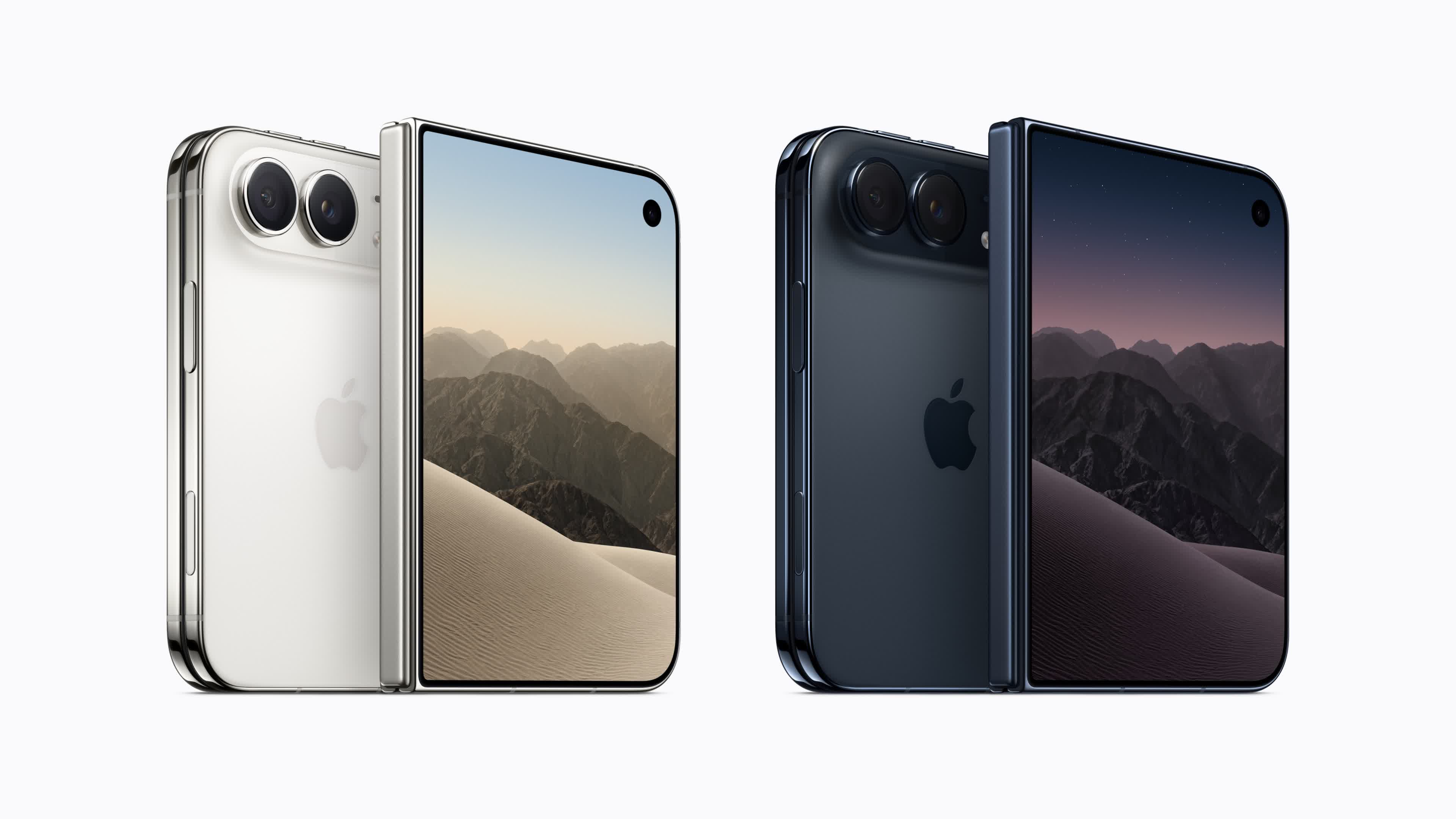
















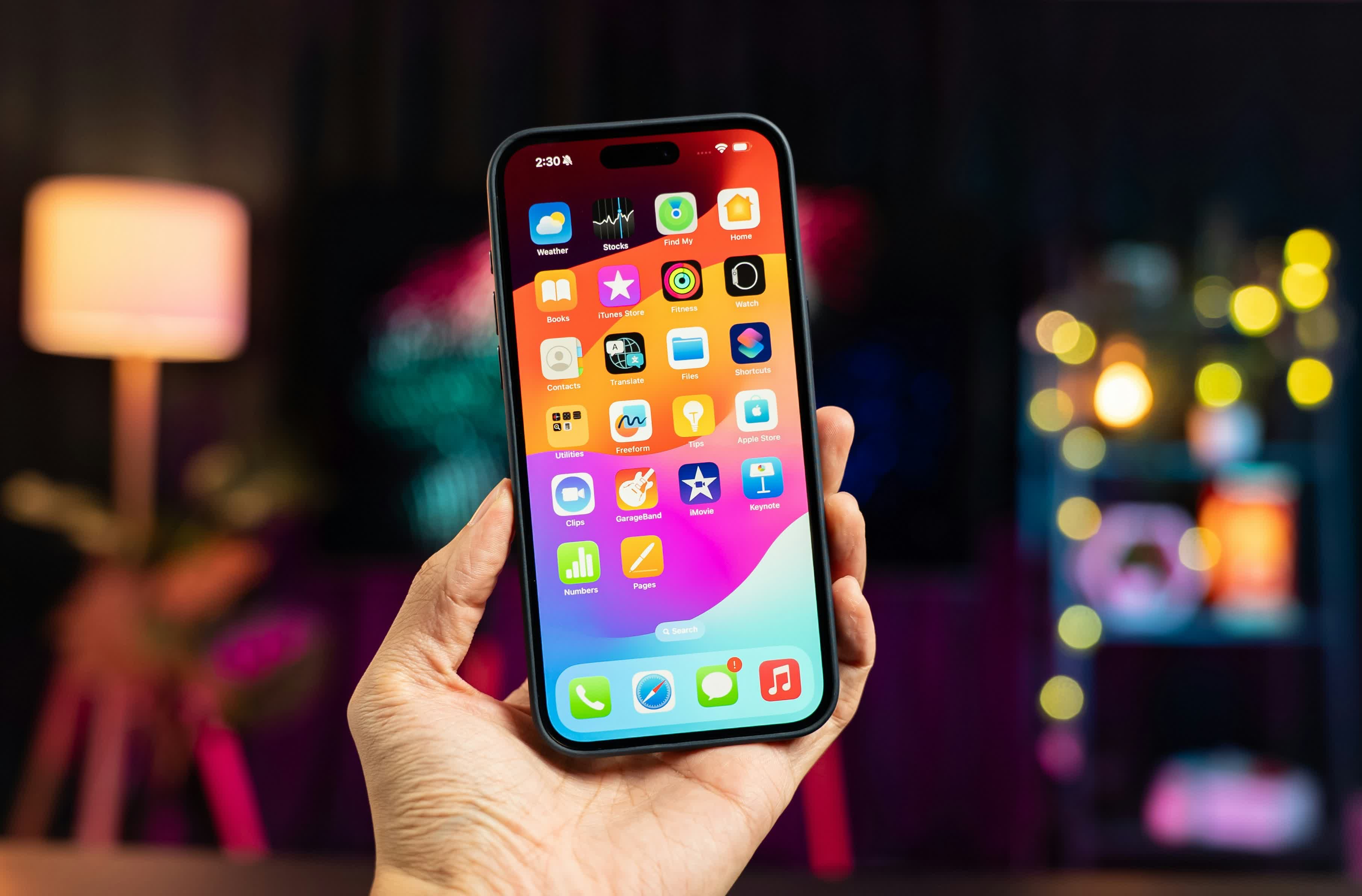

The iPhone 15 looks like a combination of the last-gen iPhone 14 and 14 Pro: the notch has been reduced in size and is now concealed within the “dynamic island,” which is useful to display key information from an app running in the background.
As an overall package, it’s the full iPhone experience with a solid balance of well-built hardware and software features, except perhaps for the 60Hz screen, which is at a disadvantage compared to competing Android handsets in the same price range.
The main camera can take 48MP photos, but shoots at 24MP by default in favor of higher dynamic range and shutter speed. Under the hood is the same A16 chip as in the iPhone 14 Pro.
One advantage the iPhone 15 has over the 14 Pro is the USB-C connector, although it still only supports USB 2.0 speeds. If you prefer a larger screen and battery over the features we just mentioned, you can get the 6.7″ iPhone 14 Plus for the same price or the 15 Plus for an extra $100.
Samsung Galaxy S24
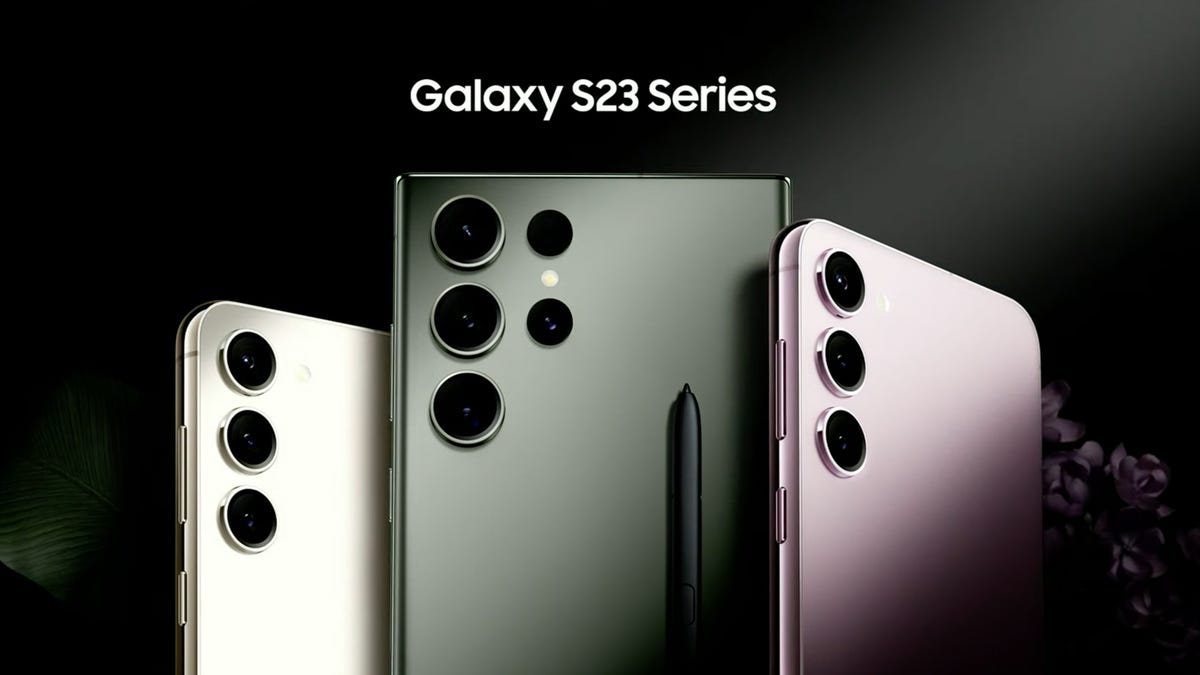
Except for the flatter frame, the Samsung Galaxy S24 bears a striking resemblance to its predecessor. However, with a newer SoC and three additional years of guaranteed software support, the $800 price tag is justified. The Galaxy S23 is available for $100 less, but that mostly makes it look better than the $550 S23 FE, which uses even older internals and cheaper materials.
In the U.S., the Galaxy S24 is powered by the Snapdragon 8 Gen 3 SoC – currently the pinnacle in the Android sphere. In other countries, it uses Samsung’s own Exynos 2400. In day to day use, the difference will be indistinguishable, and the Samsung chip is notably superior in games using ray tracing. The promise of seven years of OS updates and security patches addresses the long-standing gripe many Android users have about being excluded from the latest features.
With 8GB of RAM and a 120Hz refresh rate, Samsung’s One UI Android interface glides effortlessly on the 6.2″ AMOLED display. For those who favor larger screens, the Galaxy S24+ offers a 6.7″ display (with a higher 1440p resolution), a bigger battery to compensate, 12GB of RAM, and 45W wired charging compared to the base model’s 25W. Additionally, it features ultra-wide band (UWB) support, ideal for pinpointing Bluetooth-linked items such as Galaxy SmartTags.
The Galaxy S24+ starts at $1,000, providing 256GB of base storage, so if you were planning to get that amount anyway, it’s only $140 more expensive than the S24. All 256GB Samsung models utilize the swifter UFS 4.0 standard over 3.1, theoretically doubling the speed for file operations.
In terms of camera specifications, both the S24 and S24+ closely resemble the S23, and by extension the S22. The 50MP primary camera can showcase its prowess when you zoom into minute details, but by default saves 12MP photos. This primary lens collaborates with a 12MP ultrawide and a 10MP telephoto sensor boasting a 3x optical zoom.
With One UI 6.1, Samsung is trying to compete with Google’s AI features. The problem is, since much of the processing doesn’t happen on the device itself, the service may not remain free for long. Circle to Search, in collaboration with Google, is the most intuitive feature. Live Translate sounds impressive, but other than translation errors it’s simply not convenient for phone calls. Note Assist is useful for summarizing relatively short texts. Photo Assist is the answer to Magic Editor, but doesn’t handle reflections and shadows very well.
More Alternatives
If you want a phone with a big display and a high-end camera system for a decent price, the Google Pixel 8 Pro is a great alternative to the Galaxy S24 line, often selling for $800 with 128GB of storage. Google’s Tensor G3 isn’t as fast as the Snapdragon 8 Gen 3 (except for AI), but it’s paired with 12GB of RAM. The 6.7″ display is a bit less standard at 1344 pixels wide. It has a 50MP main camera, a 48MP ultrawide lens, and a formidable 48MP telephoto sensor with a 5x optical zoom. The 10.5MP front camera features autofocus.
On paper, the OnePlus 12 combines the best of all worlds with a 6.7″, 1440p display, a 64MP telephoto lens with a 3x optical zoom, the Snapdragon 8 Gen 3, and 50W wireless charging. However, the software holds the cameras back, and at $800 it’s still too expensive for a device that may not survive a drop into water.
Foldable phones, like the Samsung Galaxy Z Flip 5, might seem tempting. However, their design restricts battery and camera configurations. With a last-gen SoC and a noticeable crease when unfolded, the Flip 5’s $800 price point is the same as the Galaxy S24’s, and it’s more scratch-prone and lacks dust resistance.

The Motorola Razr+ is also foldable (a.k.a. Moto 40 Ultra) offers a higher-quality external display that can fully replace the main one more often, a more subtle crease, and much better dust resistance but much worse water resistance.
It’s also cheaper at $700, but comes with an even older SoC. Unless you really need the unique form factor, you should probably look elsewhere.