





















Schellion Horn, competition economist at accounting firm Grant Thornton, told the BBC’s Today programme that dynamic pricing was about setting the price around supply and demand.
That means as demand for tickets goes up, then the price rises to match that.
Ms Horn suggested there was a “realisation that actually the tickets were under priced” when the sale first started on Saturday, given there was so many people in online queues.
People were “clearly willing to pay prices of £300-400”, she added, otherwise they would not have parted with their money.
But she said the problem was people were not aware that dynamic pricing was in operation and so there was a lack of transparency.
“We see it all the time, whether it’s Uber or airline tickets or holidays or train tickets, so we’re very very used to dynamic pricing…but I think this was the first time we’ve really seen it for concert tickets in the UK and people just weren’t expecting it and I think that’s where the issue came in,” she said.
Ticketmaster has said it does not set prices and that it is down to the “event organiser” who “has priced these tickets according to their market value”.
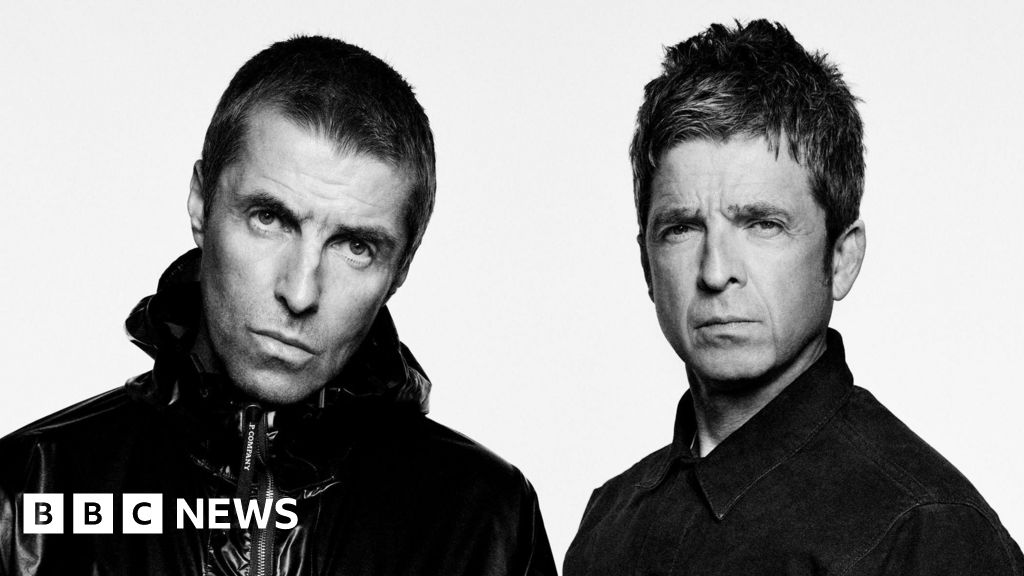
Meanwhile, ticketing websites were praised for coping with the “enormous demand” for Oasis tickets by Jonathan Brown, chief executive of the Society of Ticket Agents and Retailers, who insisted prices would have been set by the band.
Oasis and the band’s promoter have not responded to these claims.
Ms Nandy said if the government worked with “artists, industry and fans, we can create a fairer system that ends the scourge of touts, rip-off resales and ensures tickets at fair prices”.
Before he became prime minister, Sir Keir Starmer backed a move to introduce a cap on prices for resold tickets and limits to how many tickets a person can resell.
During a speech in March, he said access to culture could not be “at the mercy of ruthless ticket touts who drive up the prices”.