























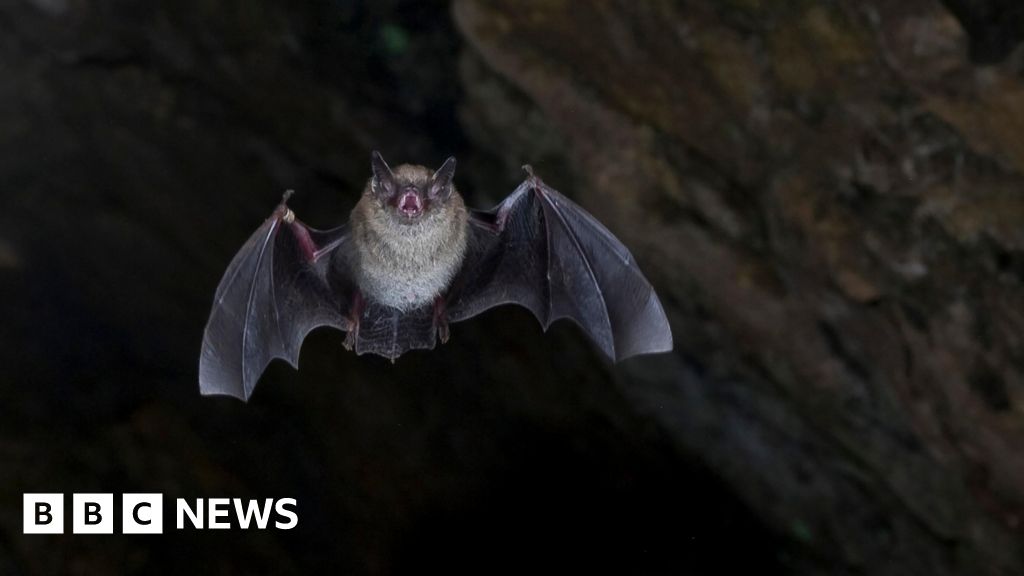

The study, conducted by the South Yorkshire Bat Group and Yorkshire Water, included 24/7 acoustic monitoring and filming with night vision to monitor the bats’ activity.
The team used special techniques to safely catch swarming bats, and were able to identify eight different species, including Natterer’s, Daubenton’s and Pipistrelle bats, using the area for breeding and feeding.
Mr Davey said: “Bat swarming sites are more commonly found in wooded lowland areas so it’s particularly interesting to find swarming happening up on this exposed moor with no trees around.”
He explained that swarming sites are thought to have quite a large “catchment”, with tiny bats flying “impressive distances” in order to swarm and find a mate.
Female bats only give birth to one offspring each year, so swarming in the autumn is “critical” for raising the next year’s generation of bats, he added.