













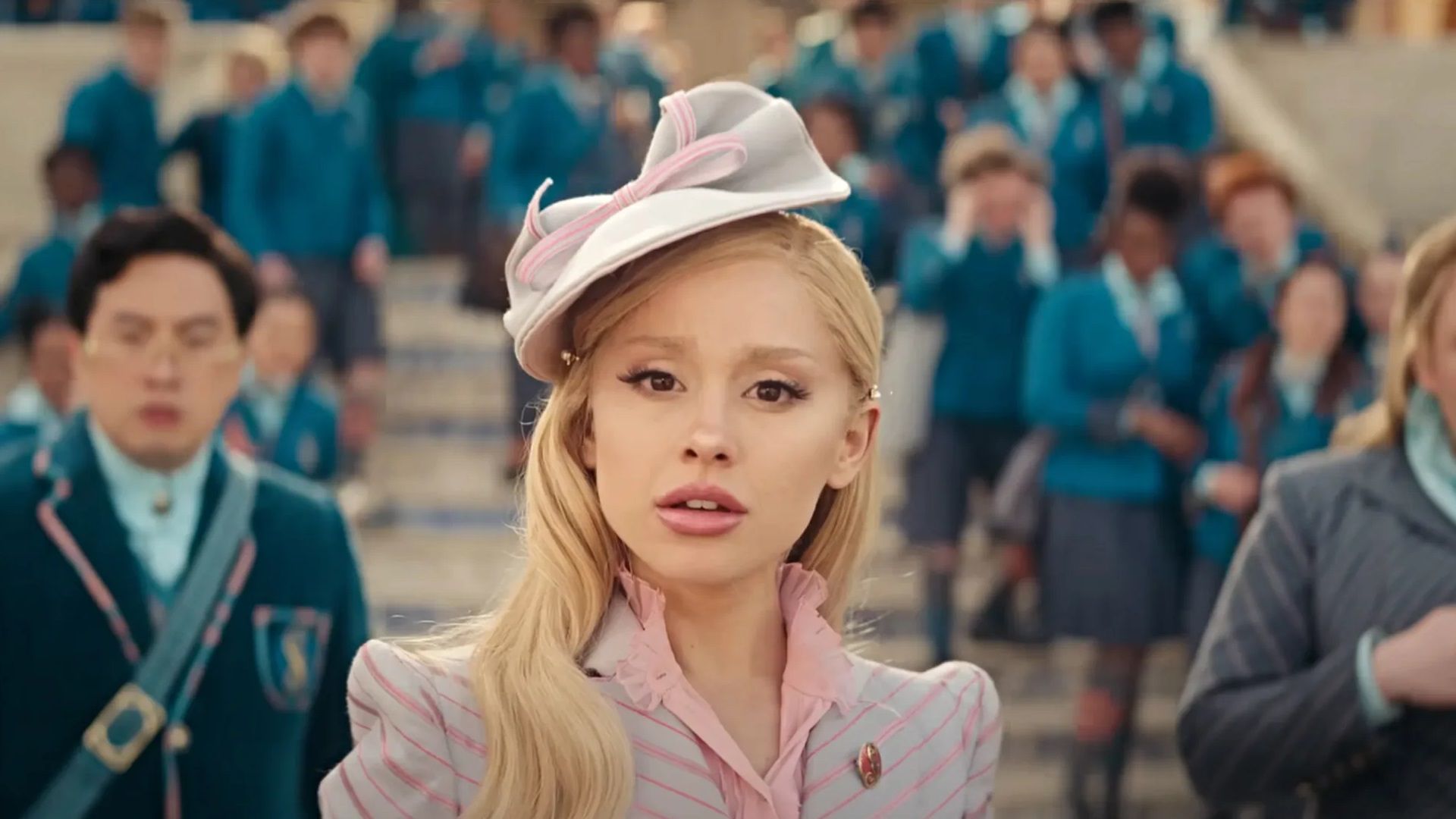
Ariana Grande has opened up about the controversy surrounding her voice for Wicked, the upcoming film adaptation of the Broadway musical of the same name. Grande plays Galinda Upland, who later becomes Glinda, the Good Witch of the North from The Wizard of Oz. In the story, she goes from rival to friend to once again foe of Elphaba (Cynthia Erivo), who later becomes known as the Wicked Witch of the West. With Grande being one of the biggest pop stars in the world, famous for tracks like “Break Free,” “Dangerous Woman,” and “No Tears Left to Cry,” to name a few, Grande’s casting made a certain amount of sense – yet fans have been rather critical, particularly of her vocal changes.

While promoting Wicked in Vanity Fair, Grande spoke about the unfair double standard women in the industry face, citing the criticism she has received for seemingly changing her voice for Wicked. Many fans noticed Grande was slipping into different vocal registers following her appearance on Penn Badgley’s podcast Podcrushed. She addressed those criticisms in a comment on TikTok, saying, “I intentionally change my vocal placement (high/low) often depending on how much singing I’m doing. I’ve always done this BYE.” Speaking with Vanity Fair, Grande pointed out the sexism and hypocrisy in how male actors are praised for their commitment while she receives criticism for doing the same:
“There is a part of the world that isn’t familiar with what it takes to transform your voice, whether it’s singing or taking on a different dialect for a role or doing a character voice for something. When it’s a male actor that does it, it’s acclaimed. There are definitely jokes that are made as well, but it’s always after being led with praise: ‘Oh, wow, he was so lost in the role.’ Tale as old as time being a woman in this industry. You are treated differently, and you are under a microscope in a way that some people aren’t.”
Ariana Grande Has a Point About Double Standards
As Vanity Fair points out, Grande’s comment about male actors being praised and gently mocked for changing their voices feels like a reference to Austin Butler. Following his performance as Elvis, Butler infamously still spoke with the accent months after production wrapped and even well into awards season, when he was rewarded for his performance, and voice change, with an Academy Award nomination for Best Actor. Butler has now made a name for himself by committing to voices, as seen this year in Dune: Part Two and The Bikeriders, where his accents have been both the subject of praise and some slight criticism. Butler’s Bikeriders co-star Tom Hardy has also made a career out of developing unique voices for movies, from Bane in The Dark Knight Rises to Eddie Brock and Venom in the three Venom movies. Meanwhile, even a star as esteemed and beloved as Meryl Streep received criticism for the voices she put on as Julia Childs in Julie & Julia and as Katharine Graham in The Post.
A good portion of the criticism around Grande also likely comes from many people not perceiving her as an actress. Despite getting her start on the Nickelodeon series Victorious and appearing in the TV series Scream Queens and Adam McKay’s Don’t Look Up, her primary focus for a decade has been music. She is seen first and foremost as a pop star, but the hope is that Wicked and the upcoming Wicked Part Two will mark a bold new era in Grande’s career as a major actress, joining contemporaries like Selena Gomez and Lady Gaga.
Wicked
opens in theaters on November 22, 2024.