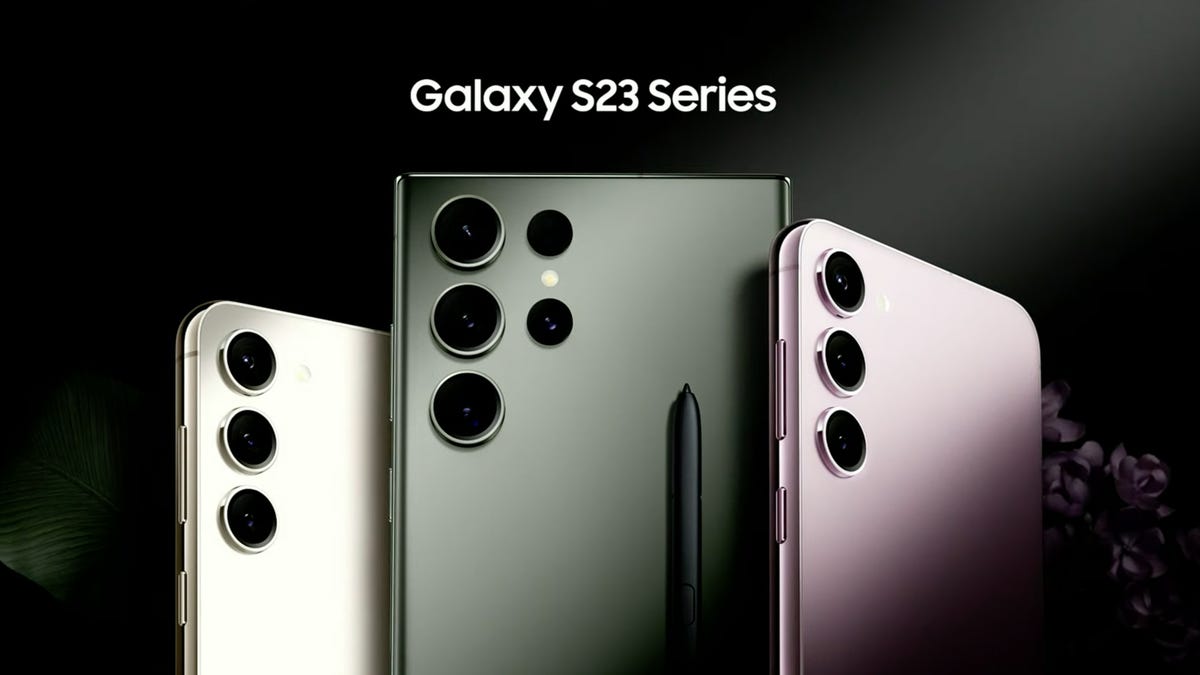


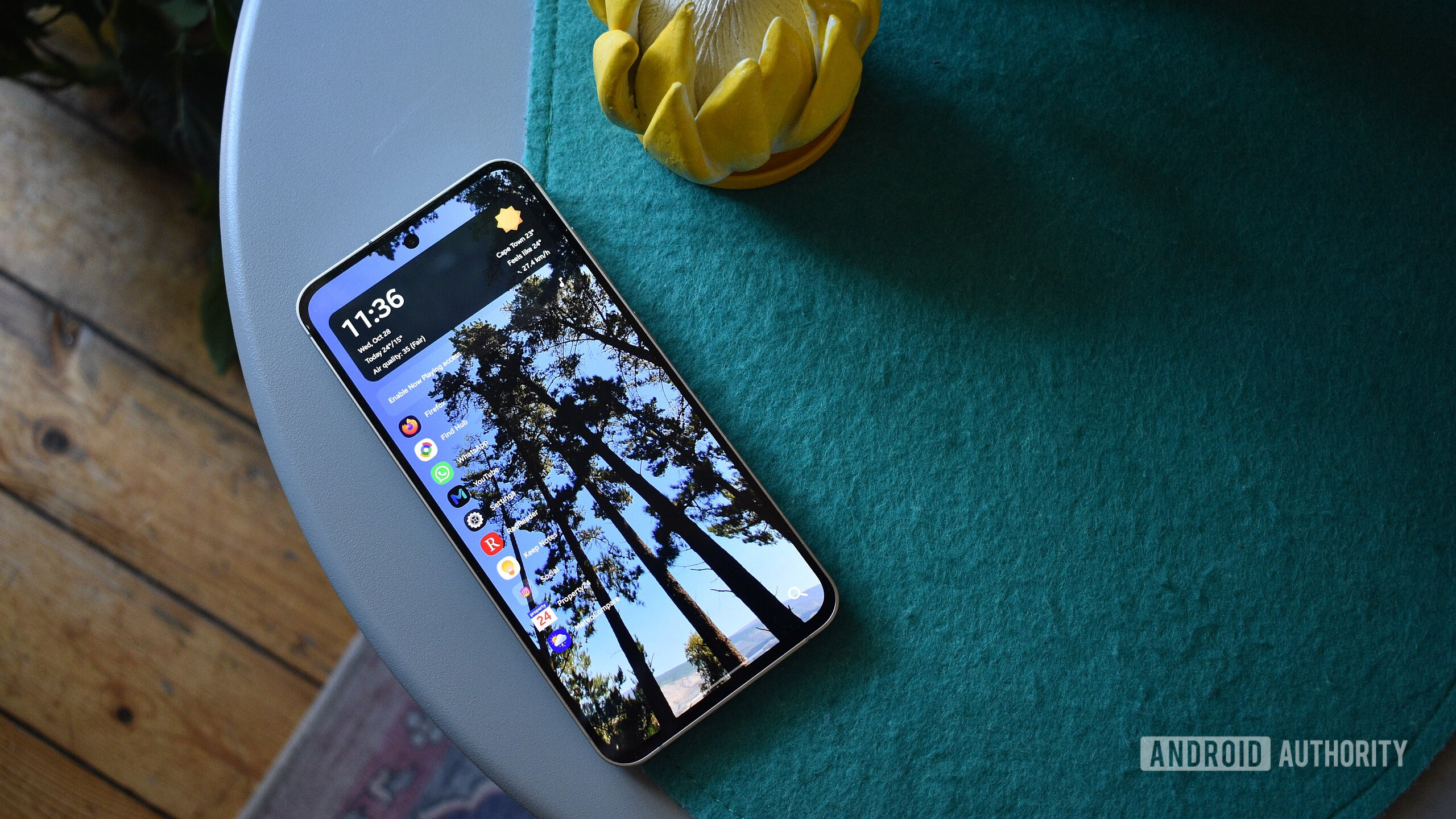


















There’s no titanium on show, but you do get to choose between two colours: the pictured Silky Black, which has an attractive sparkly finish; or “flowy emerald”, which looks a little too much like “bathroom marble” for my liking. My preference would be for the classic black version; its matte surface resists greasy fingerprints like a champ.

Elsewhere, it’s classic OnePlus. The front panel is topped with Gorilla Glass Victus 2, and it’s supplied with a screen protector as standard. The power and volume buttons are to be found on the right edge of the phone, stacked above each other towards the top, and on the left edge is the famed three-position Alert Slider. This has long been a favourite feature of mine and, now that Apple has dumped its physical mute switch, OnePlus is the only mainstream smartphone manufacturer with a physical switch like this.
Generally, there’s much to be admired about the design of the OnePlus 12. It is lightweight and slim and I like the way the screen curves away at the left and right extremities of the display towards the aluminium frame. This is something Samsung has moved away from with its latest S24 range and I think that’s a shame.
However, there is one area in which OnePlus can still improve when it comes to design: waterproofing. The OnePlus 12 only has a rating of IP65, which means it’s only dust-tight and shower/splashproof; it hasn’t been subjected to testing below the waterline. Now, I wouldn’t submerge a phone with even an IP68 rating but it’s good to know that, if I were to drop my phone in the bath or the sink, it would probably survive. The OnePlus 12 isn’t guaranteed to do that.
OnePlus 12 review: Display
The OnePlus 12 is well-appointed when it comes to display technology, however. It has a 6.82in LPTO screen with adaptive refresh of between 1Hz and 120Hz and, as has been the industry trend over the past year or so, it peaks at super high levels.
Indeed, OnePlus says it will hit 4,500 nits during HDR playback, although it will only hit these levels when watching HDR material in very bright ambient light, something you’re not likely to do very often. During regular use, this drops to 1,600 nits. The screen also has Dolby Vision accreditation, PWM dimming at 2,160Hz to help prevent eye strain at low brightness levels (not all leading flagships can boast this stat – the iPhone 15 Pro Max in particular) and it has a super sharp resolution of 3,168 x 1,440.

There are also some extra features OnePlus includes to help you make the most of the display, most notably the new HyperRendering feature. This uses frame interpolation to force games that don’t support the 120Hz refresh rate to appear smoother. Note that this feature won’t work if the phone is overheating and it also disables itself when the battery sinks below 20%. It also adds a little latency so you might want to disable it when indulging in a PUBG Mobile session or Call of Duty Modern Warfare.
A final new feature on the display front is Aqua Touch, which lets you use the screen without glitching in the wet This worked quite well when I tried it – the screen remained remarkably responsive with droplets of water all over it – but I’m not convinced how often most people are likely to put it to use.

Technically, speaking, the display is just as impressive as the specifications suggest. I wasn’t able to get it to boost to the maximum 4,500 cd/m2 but in HDR playback with auto-brightness disabled, it hit 1,565cd/m2 with a 10% white patch displaying on the screen. With auto-brightness disabled and non-HDR material showing, it reached around 800cd/m2.
As usual with Android smartphones, there are a number of different colour profiles to choose from, but the list is mercifully short here: the default of Natural (effectively sRGB); Pro (still sRGB but targeting the warmer D65 white point); and Vivid, which allows you to see the display’s full potential.
The former two deliver average Delta E scores of 0.56 and 0.65 respectively, while the latter shows that the display is capable of delivering DCI-P3 colour accurately, too, at an impressive 0.93.
All in all, it’s a very impressive display both from a practical and technical standpoint. It’s bright enough to defeat even the most intensive of sunny conditions and HDR content looks great on it.