















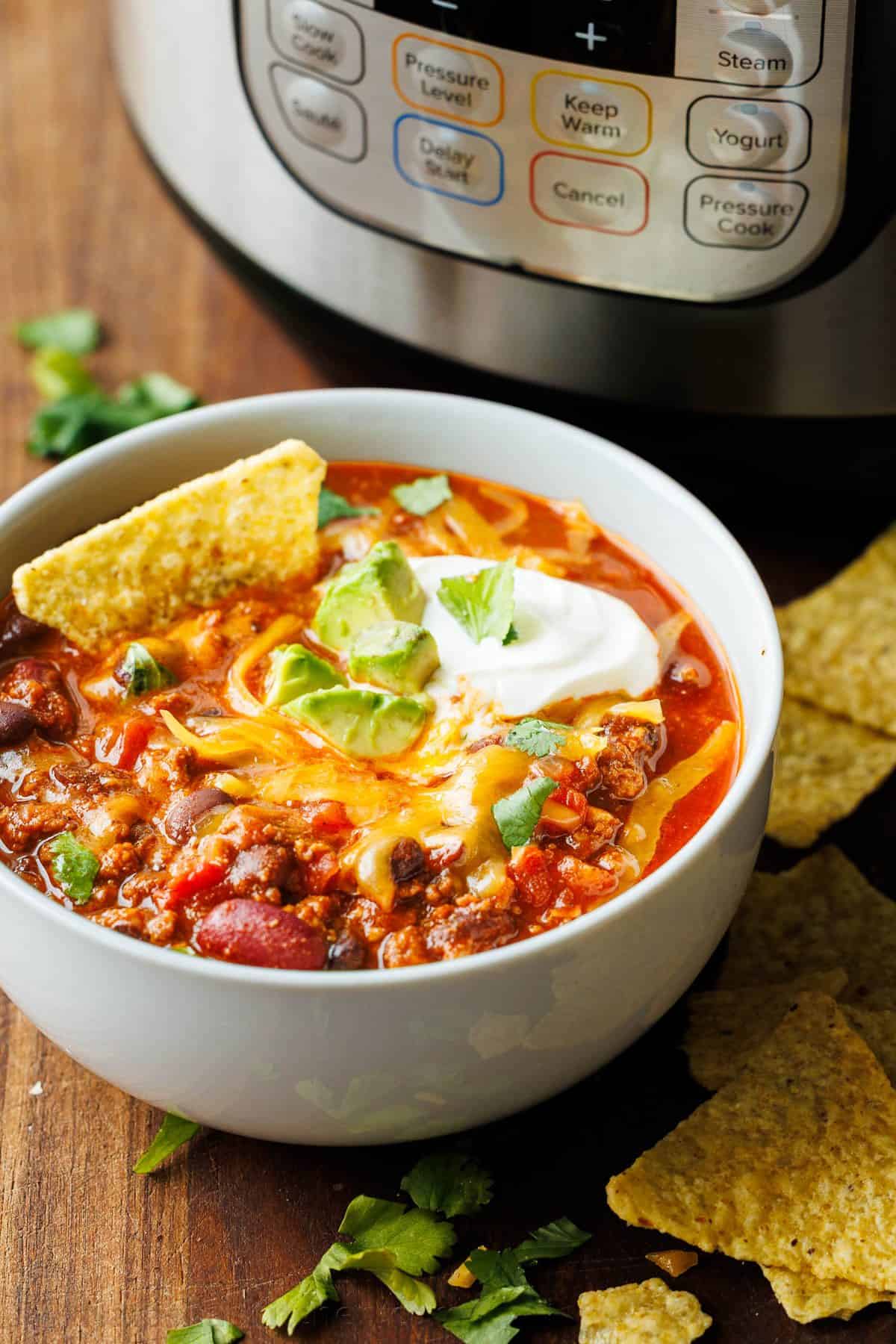








When it comes down to it, is chicken the best protein we should be consuming?


Chicken is a super popular food choice for so many people around the world, due to it being versatile, affordable, and healthier than red meats. But is chicken really the best option? Let’s look at the nutritional facts and other factors to see if chicken is the healthiest protein you can put in your body!
The Nutritional Makeup of Chicken
As any gym-bro would swear by, chicken is a fantastic source of high-quality protein, crucial for building and repairing those precious muscles. Chicken breast typically contains about 31 grams of protein per 3.5-ounce serving, making it an excellent option for those who want to remain healthy while maintaining a balanced calorie and fat intake.
Chicken contains many important vitamins and minerals such as B Vitamins, phosphorus, and selenium. It is particularly rich in B vitamins, including niacin (vitamin B3), essential for energy metabolism, and vitamin B6, which supports immune function. Aside from phosphorus, chicken is a good source of selenium, an antioxidant that protects cells from oxidative damage, as well as phosphorus, which helps maintain bone health.
Chicken is truly a treasure trove of micronutrients, making them essential for a well-rounded diet. However, the nutritional content of chicken can vary since it depends on the method of cooking, the cut of the chicken, and whether the chicken is organic or conventionally raised.
Chicken: The Lean Protein
As an excellent source of lean protein, chicken is a great choice for weight loss and muscle building. Health-conscious individuals prefer skinless, boneless chicken breast because of its low fat and calorie content.

In essence, using lean cuts of protein makes for far more choices when cooking, so it’s perfect for roasts, soups, stews, salads, and if you want to include the skin in all its less healthy glory, fried chicken!
Some Things We’ve Gotta Factor in

In conventional poultry farming practices, antibiotics and hormones are used in large quantities, causing concerns regarding their safety. Antibiotics are commonly used in poultry farming to prevent and treat bacterial infections and promote growth. As a result of the overuse of antibiotics in livestock production, a threat to public health has arisen resulting from antibiotic resistance.
Growth hormones can also be administered to chickens to quicken their growth and boost their meat output. Although many countries have strict regulations regarding the use of hormones in poultry farming, residues from these treatments may still be present in chicken products. This raises concerns about the potential impact of these residues on human health, especially about conditions like certain cancers that are hormone-sensitive.
People are frequently turning to pasture-raised or organic chicken to ease these worries, as these chickens are usually free of hormones and antibiotics.
Organic chicken is raised following strict regulations established by organizations that certify organic products, without using artificial pesticides, fertilizers, antibiotics, or hormones. Conversely, chicken fed in pasture is given access to open-air pasture areas where they can graze for naturally occurring items. This leads to a more diversified diet that may include more nutrients.
While it’s a bit pricier, making the informed decision by going for free-range organic chicken is definitely the way to go!
Cooking Methods and Why They’re Important

Sad news is, that the healthiness of your chicken is not only determined by the nutrients but also by how you cook it.
The cooking technique used can have a significant effect on the nutritional makeup of the chicken dish in the end, affecting things like fat content, calorie density, and the production of potentially hazardous chemicals.
One of the healthiest ways to prepare chicken is usually to grill, bake, or roast it without adding extra fat. With these methods, the chicken’s natural juices are preserved while extra fat is allowed to drop off, making the finished dish leaner and fewer in calories. Plus, by reducing the amount of vitamins and minerals that are broken down, baking or grilling chicken at moderate temperatures helps maintain its nutritional integrity.
Fried or deep-fried chicken can dramatically raise the fat and calorie content of the dish, turning an ordinarily low-fat protein source into a high-fat treat. Large amounts of fat are absorbed by chicken when it is dipped in heated oil, leading to needless calories and saturated fats in the meal.
In short, you can get the nutritional benefits of chicken without sacrificing your health goals by using healthier cooking methods like grilling, baking, or roasting.
Potential Health Risks
Although chicken is a lean protein source, processed chicken items like patties, nuggets, and deli meats may have added salt, preservatives, and other ingredients that counteract the nutritional benefits of chicken and lead to negative health consequences.
Safely Cooked and Prepared Chicken is Super Important!
Undercooked or carelessly handled chicken may include bacteria like Salmonella and Campylobacter, which can cause foodborne illnesses like nausea, vomiting, diarrhea, and in extreme cases, hospitalization or even death. So it’s important to keep your kitchen clean and practice cooking chicken perfectly to prevent these horrible outcomes!
For food safety and to reduce the risk of foodborne illness, chicken must be handled, stored, and cooked properly. Be sure to grab some air-tight containers and zip-lock bags, and refrigerate your chicken to be eaten within the next couple of days.
Here are some tips on how to safely cook, store, and prepare your chicken:
- Thoroughly cook the chicken: Cook the chicken until its internal temperature reaches 165°F (75°C) to eradicate dangerous pathogens like Salmonella and Campylobacter.
- Practice proper food handling: To avoid cross-contamination with other foods, handle raw chicken with care and wash your hands, utensils, and surfaces thoroughly.
- Store chicken properly: Chicken should be properly stored. To prevent bacterial growth, keep it frozen or refrigerated as soon as it is purchased, and keep its temperature below 40°F (4°C).
- Prevent cross-contamination: Keep raw chicken off separate cutting boards and utensils to stop bacteria from getting into other foods.
- Be cautious with leftovers: To reduce the chance of contracting a foodborne disease, store leftover chicken in the fridge and eat it within a few days.
- Mind the expiration dates: Check the expiration dates on chicken products placed in packaging, and throw away any spoilt or expired goods.
By following these tips, you’ll never have to worry about eating nasty and unsafe chicken in your life!
Dietary Balance

Chicken is amazing, and goes with pretty much anything, which is why it’s super important to include it as part of a balanced diet. After all, eating a diet only consisting of protein robs you of precious micronutrients that you need for a healthy and happy body!
So while chicken is king, it’s best to include other sources of protein from time to time for a well-rounded diet. Every protein source has a different nutritional profile, containing various vitamins, minerals, and substances that are good for you. For instance, beans and legumes offer fiber, folate, and antioxidants vital for digestive health and disease prevention, fish is high in omega-3 fatty acids, which are good for heart health and cognitive function.
With That Said, Here are Some Kick-Ass Chicken Recipes for you to Try!

Without any delay (all this chicken talk has made me hungry!), let’s check out some mouthwatering chicken recipes:
- Quick and Easy Chicken Enchilada Soup – this happy accident soup is warm, savory, and comforting all in a bowl! Try this simple soup today!
- Slow Cooker Everything Chicken – Simple, hearty, and yummy, this dish is the perfect partner in crime if you’ve got some shredded chicken on hand!
- Slow Cooker Spinach Artichoke Chicken – One of the best crock pot recipes is this little number! Creamy, wholesome, and Insta-worthy, try out this appetizer now!
- Honey Chipotle Chicken Skewers – If you’re feeling a little lazy but want something filling, these grilled skewers might be the one for you! Perfect for cookouts and barbecues, these skewers will have you reaching for more!
- Instant Pot Posole Verde – Warm your belly and soul with this hearty and wholesome soup dish may be packed with nutrients but definitely doesn’t skimp on flavor. Deciding to skip the fatty pork and red sauce makes this a winner-winner chicken dinner!
- Chicken and Broccoli Skillet – For those weeknight dinners with friends or family, this high in protein and flavor skillet dish is sure to win over some fussy eaters!
And that’s all! Hope I’ve added some insight into chicken and if it is the healthiest option for your protein-packed meals. Let us know your thoughts in the comments section!
If you enjoyed this post, be sure to check out more:
Loving our content? Be sure to like our Instagram page and follow us on Pinterest so you never miss out! You can also subscribe to
our eNewsletter to get the latest and greatest content delivered directly to your inbox.