





















Although he acknowledged the day-to-day nature of policing came with a lot of stress, Mr Cairns added the riots had been “piled on top of that”.
“As well as physical injuries, there are mental scars which will be around for some time,” he said.
“I think part of it is having to deal with this level of criminal disorder within their own communities, working in streets that they are familiar with.”
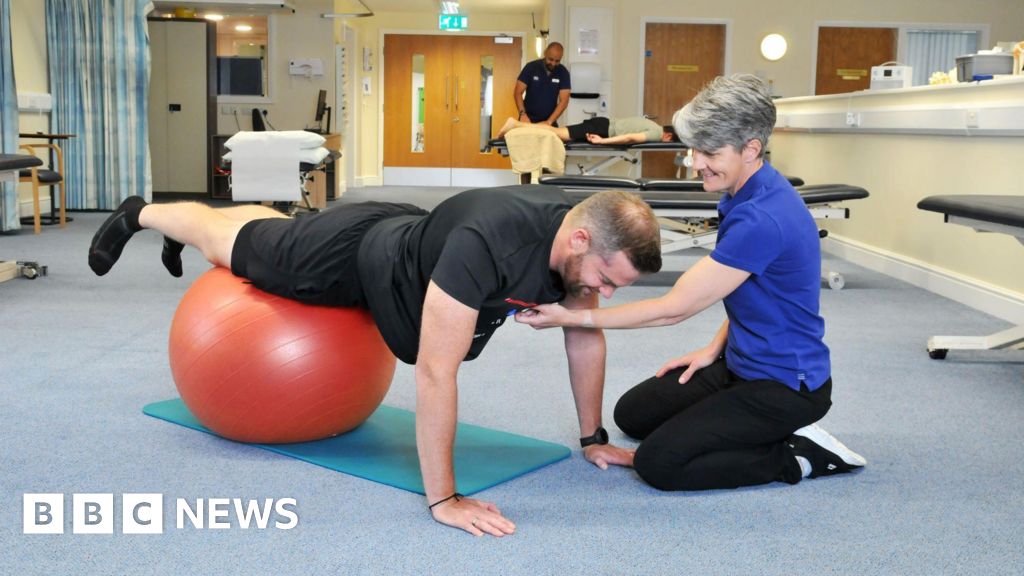
At the treatment centre, police officers were offered physiotherapy for physical injuries and a psychological wellbeing programme, which included a residential stay.
Mr Cairns said the programme had a “transformative effect” on individuals with mental health issues.
“We can’t afford to lose officers of their calibre,” he said.
“If we lose those individuals, all that money that has been invested in training them, you have to start again.”
According to Mr Cairns, a report by Robert Gordon University in Aberdeen had shown that after a stay at the centre individuals were “much more likely to get back into work more swiftly” and “less likely to have leave from being sick or injured”.
“We’re getting individual officers, men and women, back on the frontline, which is where the vast majority of them want to be, serving the public,” he added.
Listen to highlights from North Yorkshire on BBC Sounds, catch up with the latest episode of Look North or tell us a story you think we should be covering here, external.