
























Some investors are betting that the firm’s rivals will benefit from its current struggles, which have exposed the world’s dependence on one big player, drawing attention from anti-monopoly regulators.
Sentinel One, for example, saw shares surge more than 8% on Monday.
But analysts said despite the current hit to CrowdStrike’s shares, they did not foresee long-term damage to the business.
“The reality is despite CrowdStrike’s epic failure last week, there are few alternatives to CrowdStrike and the switching costs are high,” Gene Munster, managing partner at Deepwater Asset Management, which is known for its tech investments, wrote on social media, external.
“In other words, when the company reports its July quarter late in August, I expect the commentary to suggest unknowns about near-term customer retention. That said, I expect there will be few customer defections long-term.”
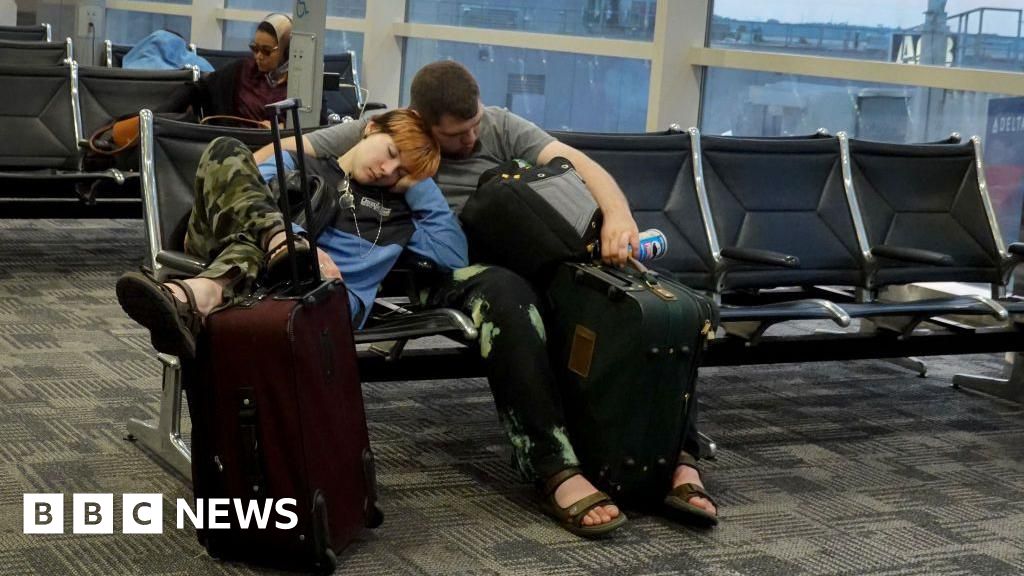
Speaking to the House of Commons on Monday, Cabinet Office Minister Ellie Reeves said that the majority of sectors affected by the CrowdStrike bug had mostly recovered, including aviation, railroads, and maritime systems.
But she warned that some “minor disruption” would continue, including at the NHS.
She added that the government would work with the National Cyber Security Centre and other partners “to review the lessons learned”.
The incident showed how dependent the modern world is on “complex and interconnected IT systems and how essential preparedness for such events is”, the minister told MPs.
Wedbush Securities analyst Dan Ives said it would be critical for CrowdStrike to resolve its issues this week.
“This will take some time to settle down but does not change our positive long term view of CrowdStrike or the cyber security sector,” he wrote in a note on Monday.
“CrowdStrike remains the gold standard and we believe this historical incident will only be a dark chapter for the company and not impact the long term bull story for the name.”
Reporting contributed by Chris Vallance