























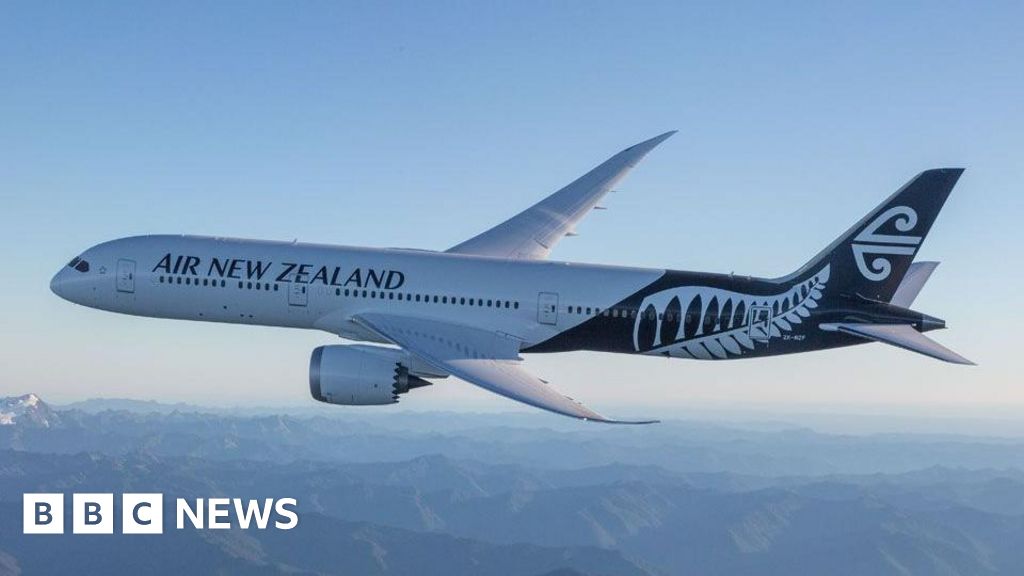

“In recent months, and more so in the last few weeks, it has also become apparent that potential delays to our fleet renewal plan pose an additional risk to the target’s achievability,” Air New Zealand Chief Executive Officer, Greg Foran, said in the statement, external.
In 2022, Air New Zealand adopted a 2030 target to cut its emissions by almost 29%.
It was much more ambitious than a 5% reduction goal over the same period set by the global aviation industry.
Sustainable Aviation Fuels (SAF) are a key part of the sector’s strategy to cut emissions but airlines have struggled to purchase enough of it.
“The price of [SAF] is more expensive than traditional fuels, and there is not enough capacity to produce that at scale,” said Ellis Taylor from aviation analytics firm Cirium.
“The delays in new aircraft deliveries are affecting airlines around the world, with both Boeing and Airbus under-delivering new jets over the last few years, largely due to snags in the wider supply chains of the manufacturers,” he added.
Aerospace giant Boeing has faced a number of major issues in recent years.
This month, Boeing agreed to plead guilty to a criminal fraud conspiracy charge after the US found the company violated a deal meant to reform it after two fatal crashes by its 737 Max planes that killed 346 passengers and crew.
The firm has also come under increased scrutiny after a door panel in a Boeing plane operated by Alaska Airlines blew out soon after take-off and forced the jet to land.