











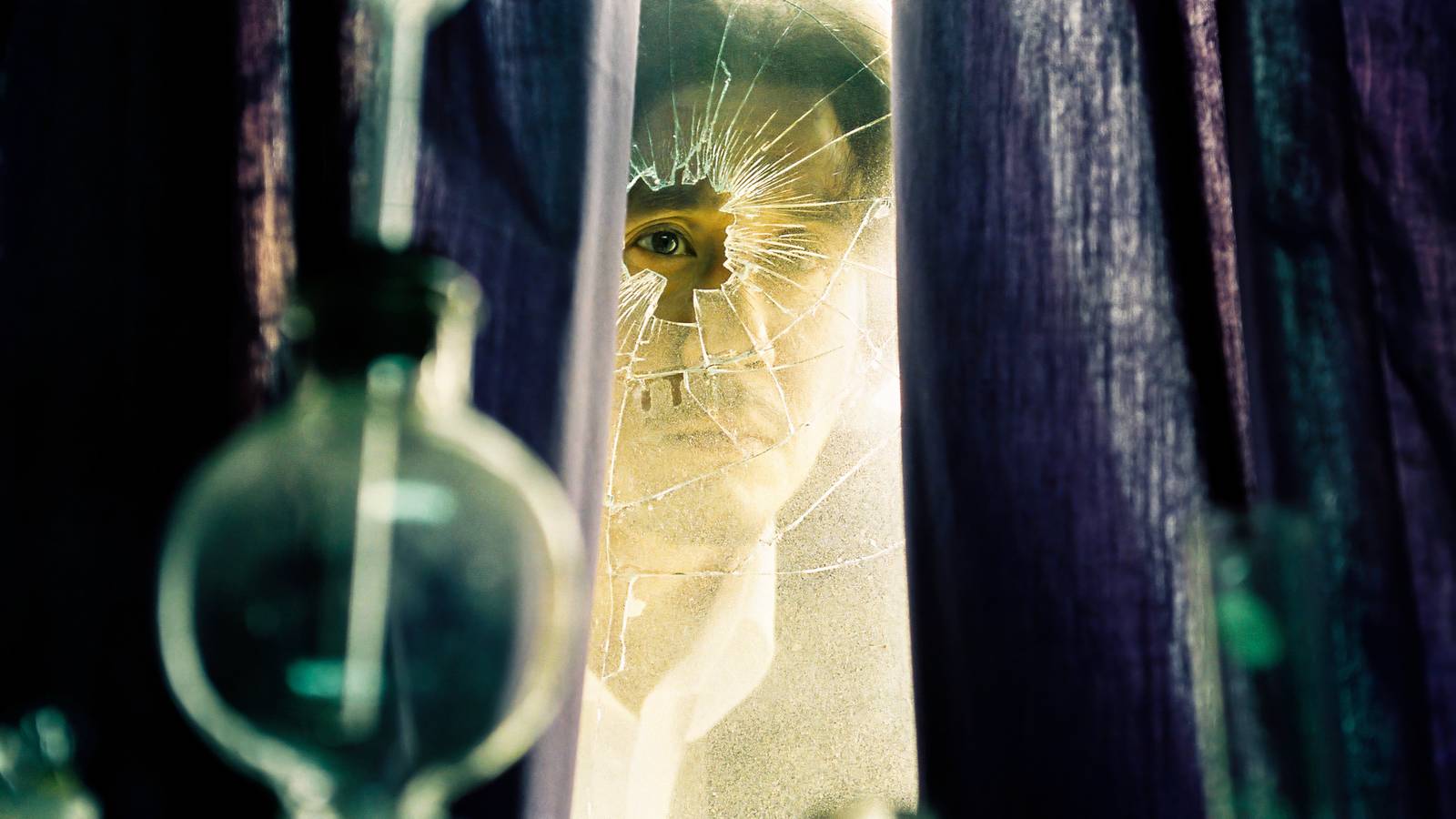

Over 20 years later, this beloved cult thriller has one of the most devastating twists of all time. When it comes to the best movie twists ever, the ones that really linger are those that reframe the entire story. Seven was an engrossing thriller all the way through, but the opening of that box in the finale is the moment that made it an all-time classic. Not only for the shock value, but because it feels, in hindsight, like that particular reveal was always inevitable.
The same is true for The Sixth Sense’s literally haunting twist, or The Usual Suspects, Gone Girl, the original Saw, and many, many more. Another entry on that list is the South Korean classic Oldboy from 2003. This Park Chan-wook movie involves businessman Oh Dae-su (Choi Min-sik), who is kidnapped and imprisoned by a mysterious captor for 15 years. After he is abruptly released, he sets out for revenge, aided by a young chef named Mi-do (Kang Hye-jung).
That setup may sound reasonably straightforward, but the film moves in directions that are near impossible to predict on first viewing. Oldboy is, simply put, one of the greatest thrillers of the 21st Century, with stunning performances and visuals, and a plot that builds to a reveal that is impossible to shake.
Oldboy’s Shocking Plot Twist Explained
Dae-su eventually learns it was an old schoolmate named Woo-jin (Yoo Ji-tae) who was behind his imprisonment, as years earlier, he unknowingly exposed that Woo-jin and his sister were in an incestuous relationship. This led to Woo-jin’s sister taking her own life, and her brother then hatched an elaborate, years-long plot to make Dae-su fully understand the pain he had caused him.
In Oldboy’s finale, Dae-su confronts Woo-jin with the truth, with the latter having promised to take his own life if Dae-su solved the mystery within five days. This is the moment the full scope of Woo-jin’s revenge scheme clicks into place, as he reveals to Dae-su that his friend turned lover, Mi-do, is actually his grown-up daughter. It is also revealed that Woo-jin employed a hypnotist during Dae-su’s imprisonment to make him and Mi-do fall in love with one another upon his release.
Before Spike Lee and Josh Brolin boarded the American remake of Oldboy, Steven Spielberg considered directing it with Will Smith in the title role.
Understandably distraught and sickened by this revelation, Dae-su cuts out his own tongue as penance, in exchange for Woo-jin not revealing the truth to Mi-do. Even in the aftermath of his decades-long plan coming together flawlessly, Woo-jin is still haunted by his sister’s death and soon takes his own life.
In Oldboy’s epilogue, Dae-su seeks out the aforementioned hypnotist, hoping to erase the memory that Mi-do is his daughter. In the final moments, Mi-do – who remains unaware Dae-su is her father – embraces him, but his smile soon turns to a look of despair, suggesting the hypnotism procedure failed.
Oldboy’s Ending Builds On Its Unforgettable Plot Twist

So yes, that’s MUCH to unpack with Oldboy’s twist. It deliberately touches upon taboo subjects to unsettle audiences, and the reveal that Dae-su and Mi-do are father and daughter hits like a gut punch. While the American remake starring Josh Brolin was brave enough to retain this central reveal, it offered a (somewhat) happier ending where Brolin’s Joe chooses to disappear from his daughter Marie’s (Elizabeth Olsen) life, returing to the facility that imprisoned him to live out his days in isolation.
Park Chan-wook, however, wants audiences to really soak in the discomfort of Oldboy’s central twist. In the director’s mind, Dae-su is now in love with his daughter and can’t go back to being her parent, so he actively tries to delete the truth from his mind. This is an inherently icky proposition, and Park intentionally ends his movie on a question mark. Maybe the hypnosis succeeded and the two will live “happily” ever after, but the devastated look on Dae-su’s face suggests otherwise. It’s up to viewers to decide – which only adds another layer of discomfort.

- Release Date
-
November 21, 2003
- Runtime
-
120 minutes
- Director
-
Park Chan-wook
- Writers
-
Park Chan-wook, Hwang Jo-yoon, Lim Joon-hyung
- Producers
-
Syd Lim