

















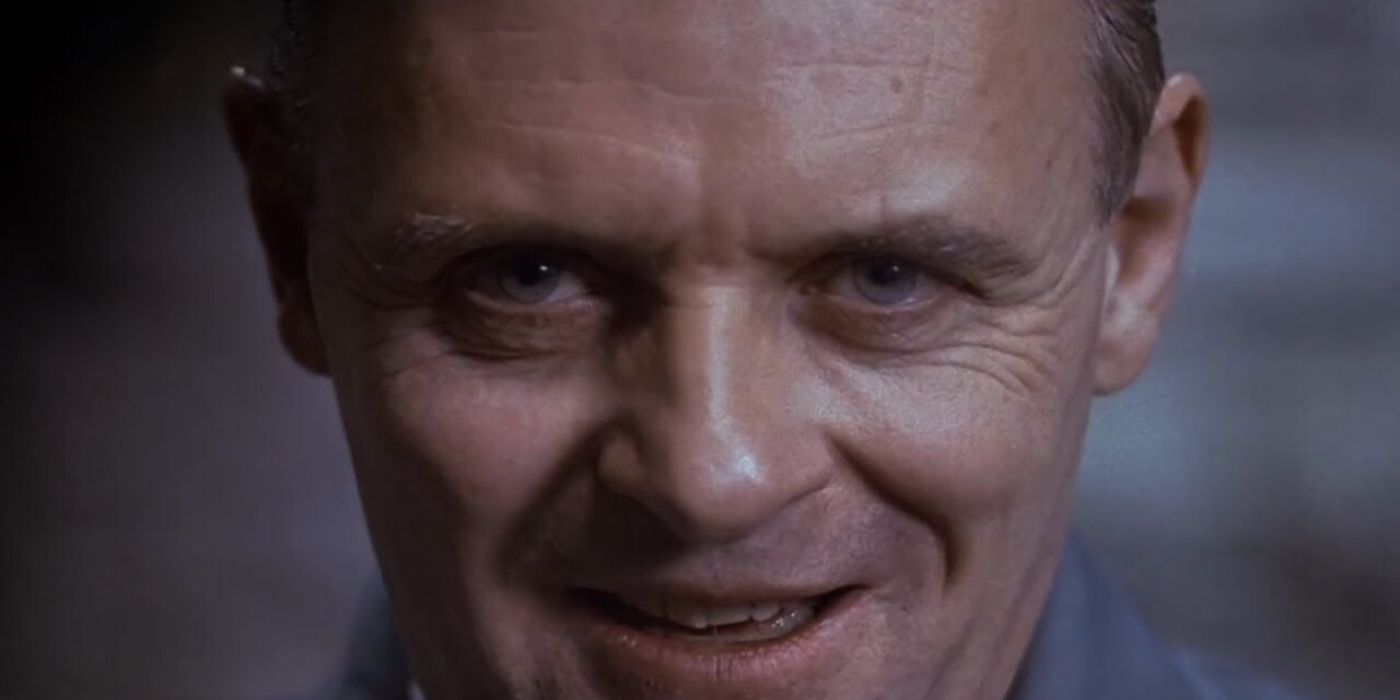

Though The Silence of the Lambs is a landmark film — the first horror film to win a Best Picture Oscar — the film also represents a seismic shift in policing, realistically depicting modern FBI investigatory methods. This movie was only possible due to the work of a pioneering FBI agent named John Douglas, who struggled to sort and classify the patterns and tendencies of convicted killers. The FBI team he joined, which became known as “profilers,” ambitiously sought to predict which personalities were the most likely to commit heinous acts of violence. Culminating in what is possibly the creepiest road trip in history, Douglas picked the brain of every scumbag in prison, helping shape such fictional sociopaths as Hannibal Lecter and Buffalo Bill.
Agent Douglas devised the system alongside fellow Behavioral Science Unit agent Robert Ressler in the mid-’70s at FBI HQ in Quantico, Virginia. Their research would build a treasure trove of insight into the minds of humanity’s worst criminals. One of the unusual consequences of Douglas’s career has been the resounding notoriety of the FBI profiler image in TV and movies, and a morbid interest in their work. Deluged with true-crime shows and films, Douglas has some qualms about the rise of The Bureau in pop culture.
The FBI Goes Back to School
Tasked with plumbing the ever-growing trend of offenders, the FBI launched the BSU to train agents better in pursuing suspects. Back then, police work wasn’t specialized, and didn’t rely on data gathering or analysis. Essentially a matter of chronicling a detailed checklist of quirks and tendencies of serial killers, Douglas and his colleague, Ressler, and Dr. Ann Burgess refined The Bureau’s model of the typical serial killer by analyzing 36 killers in the mid-’70s. A dramatization of the years-long interview project later debuted on Netflix in 2017 by David Fincher, called Mindhunter, drawing on Douglas’s memoirs exploring his early stint at the BSU.
They pored over the background, childhood, and general lifestyle to develop new diagnostic techniques to decipher who commits particular crimes, and why. On an episode of The FBI Files, Douglas explained, “I’m very much like a doctor in medicine where I’m trying to come up with a diagnosis, and I’m going to rely on the thousands of cases that I’ve worked. I’m going to rely on the hundreds and hundreds of interviews of offenders who committed similar types of crimes.” Their findings were eye-opening and are still in use today.

Related
David Fincher Doubts His Netflix Projects Will Ever Get a Physical Release
David Fincher has mixed feelings about whether ‘Mindhunter’ or any of his other Netflix projects will get a proper physical release.

This new direction in criminology angered some in the psychology field, and alienated many cops who felt it was an untested gimmick. The unsavory truth is that the vilest criminals wish to brag about their crimes. Not until the ’70s did anyone listen. The FBI was reluctant to indulge them with an audience to tout their “past triumphs,” according to the book On the Farm. Formally dubbed “criminal investigative analysis,” profiling was never formally approved of by trained psychologists, per the APA, and application differs slightly from agent to agent.
The program’s success couldn’t be disputed, however, as the concept of profiling began to catch on across the country thanks to the lobbying of Douglas, who suggested the FBI train local police personnel. Whatever scrutiny the program faced dissipated by the ’90s, thanks to the Jonathan Demme film The Silence of the Lambs. The Jack Crawford character (played by Scott Glenn) was based on Douglas in the Thomas Harris novels. Soon, others were copying the premise as FBI shows became the procedural du jour, including The X-Files, Millennium, and the not-so-subtly-titled NBC show Profiler.

Related
The Rise and Fall of Hannibal Lecter, One of the Crime Thriller’s Most Iconic Villains
The mystique generated by his early appearances and the enigmatic persona of Hannibal Lecter has ultimately been diminished.
From Quantico to Hollywood

Despite the fame provided by his portrayal in the Lecter books, movies, and TV series (Manhunter, Silence of the Lambs, Hannibal, and Red Dragon), Douglas didn’t like the final results he saw on screen. 30 years on, directors and screenwriters still succumb to the worst clichés. In a 2017 interview with The New York Post, he expressed embarrassment at how FBI profilers were presented on screen as hotshots, sexy men and women in form-fitting suits, hogging all the glory, doing all the dirty work by themselves:
“They don’t put across accurate portrayals, and [that] aggravates me. I can’t look at those movies. You see FBI agents pulling out guns and knocking down doors and taking over investigations . . . [In reality,] if you’re a cop and I work with you on a case, I help to develop a more proactive technique.”
Aside from Douglas, who only rose to fame after silently toiling in obscurity, ingratiating himself to some of the most despicable serial killers, the FBI doesn’t have rock stars like Fox Mulder. That is, unless you consider transcribing hours of murderers discussing bedwetting and mommy issues to be glamorous. It’s a methodical, data-driven institution that usually only gets called in as a matter of last resort or a conflict of state jurisdiction. The vast majority of the modern FBI is a resource, collaborating with other law-enforcement officers across the country, and even the world. No, Hannibal Lecter isn’t based on a real case, but as any profiler will admit, the ingredients needed to make such a killer are all too prevalent.